Why Your Cortisol May Be Keeping You Tired, Wired, and Awake at Night
Waking up at night. Feeling tired all day. And then somehow feeling more alert when you actually want to sleep.
If that sounds familiar, cortisol may be part of the picture.
Cortisol is often called the stress hormone. But it is really more of a rhythm hormone.
It helps regulate:
energy
alertness
blood sugar response
stress signaling
your sleep-wake cycle
When that rhythm gets disrupted, many women start noticing the same frustrating pattern:
exhausted during the day
tired but wired at night
waking up between 2–4AM
feeling overstimulated before bed
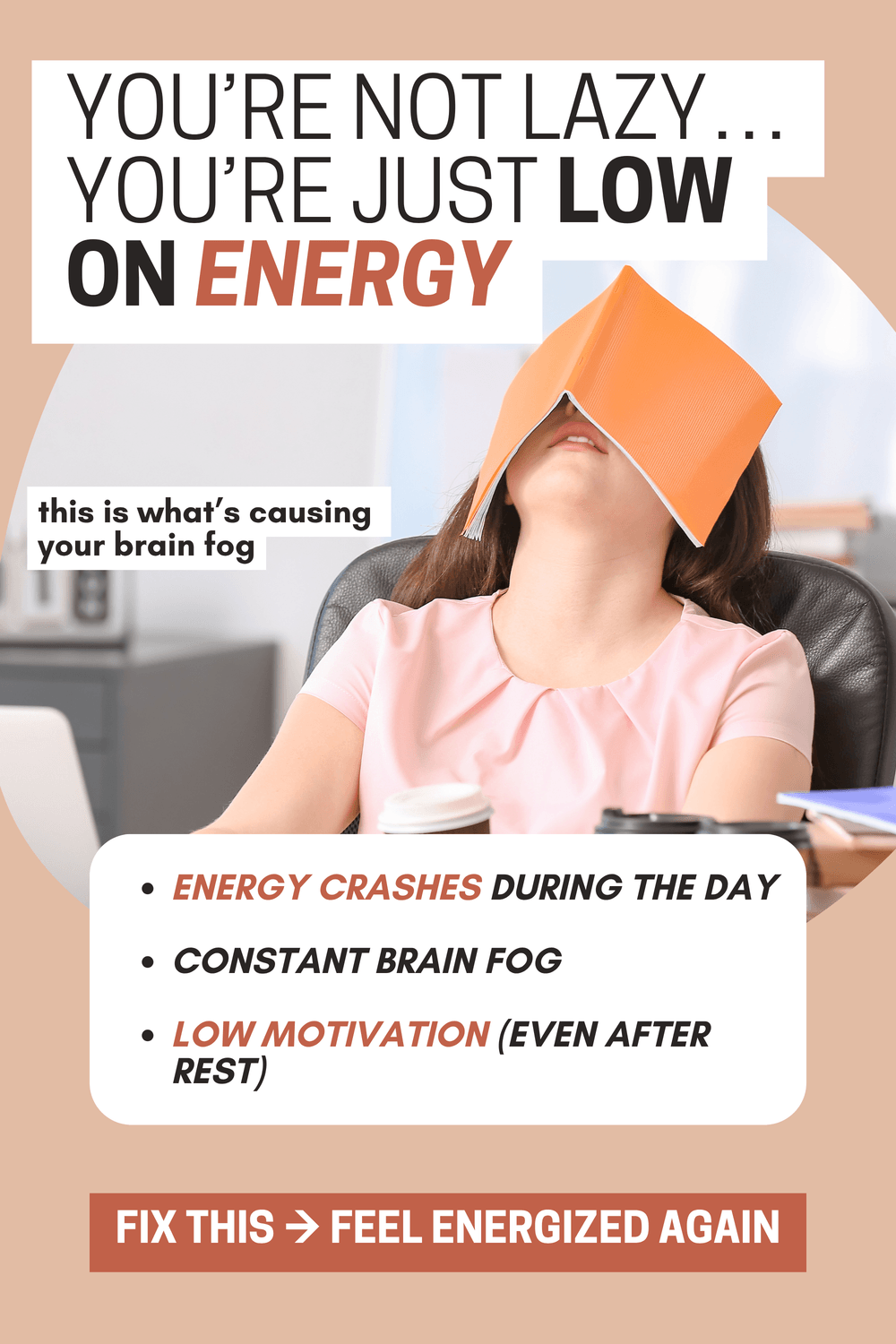
dealing with brain fog and energy crashes
If this sounds familiar, you're not alone - and you're not imagining it.
One of the biggest missing pieces is supporting your body so it can actually feel safe enough to rest and recover.
👉 This is one of the simplest ways to support your stress response and get your energy back on track - it’s what I personally recommend.
Let’s break down what may actually be happening.

Cortisol Is Not the Problem by Itself
Cortisol is not “bad.” Your body needs it.
In a healthy rhythm, cortisol is supposed to:
stay lower at night
rise gradually in the early morning
peak shortly after waking
slowly come down across the day
That rhythm helps you feel:
more awake in the morning
more steady during the day
sleepier at night
But when stress becomes chronic, that rhythm can shift.
And when it shifts, sleep and energy often start to feel off at the same time.
Signs Your Cortisol May Be Too High at Night
A lot of women assume their sleep problems are random. But sometimes the body is sending very clear signals.
Some common high cortisol symptoms in women may include:
waking up at 3AM or between 2–4AM
feeling exhausted but mentally alert
racing thoughts at bedtime
feeling like your body will not fully relax
light, fragmented sleep
waking up feeling unrefreshed
needing caffeine just to function the next day
brain fog and afternoon energy crashes
This does not always mean cortisol is the only cause. But it can be a big part of the stress and sleep picture.

Why You Can Feel Tired but Wired
This is one of the most common patterns in women dealing with chronic stress.
You feel tired. But not calm.
You want to sleep. But your body still feels “on.”
That tired but wired feeling can happen when your nervous system is still carrying too much stress into the evening.
For many women, this looks like:
racing thoughts when the day is finally quiet
waking up for no clear reason
feeling slightly alert in the middle of the night
not getting truly deep, restorative sleep
This is why cortisol and sleep are so connected.
What Can Raise Cortisol at Night?
Usually, it is not just one thing.
It is often the buildup of stress across the day.
Common triggers can include:
too much caffeine
coffee on an empty stomach
blood sugar swings
skipping meals
constant overstimulation
late-night scrolling
emotional stress
poor sleep habits
never fully winding down
When the body feels overloaded for too long, nighttime can become more alert instead of more restful.
High Cortisol Symptoms in Women During the Day
Cortisol issues often do not show up only at night.
Because cortisol affects rhythm, the effects can spill into the entire day.
If you’ve been feeling stuck in this cycle for a while, you’re not doing anything wrong.
Your body just needs the right kind of support to get out of constant stress mode.
When that happens, energy starts to come back naturally.
👉 This is what I personally use to support my stress levels and feel more balanced.
Some common stress symptoms in women may include:
feeling tired all day
needing caffeine to get going
feeling anxious or overstimulated
brain fog
low motivation
feeling puffy or inflamed
cravings for sugar or quick carbs
afternoon slump
trouble focusing
waking up tired even after a full night in bed
Not every symptom means high cortisol.
But if you see a pattern of poor sleep + stress + low energy, it may be worth paying closer attention to your daily stress load.
How to Lower Cortisol Naturally
If you have been searching for how to lower cortisol naturally, the goal is not to force your body to relax.
The goal is to support your system with more:
rhythm
nourishment
safety
recovery
fewer overstimulating inputs
Here are simple places to start.
1. Eat more consistently
Skipping meals or running on coffee all day can make your body feel more stressed.
A more balanced rhythm with protein, fiber, and regular meals may help support steadier energy.
2. Avoid caffeine on an empty stomach
For some women, this one change makes a big difference.
If your body already feels stressed, caffeine without food may amplify that feeling.
3. Reduce overstimulation at night
Screens. Bright lights. Scrolling. Work. Emotionally activating content.
All of that can keep your system feeling more “on.”
4. Create a real wind-down routine
A good evening routine does not need to be complicated.
Simple things help:
dim the lights
stop scrolling earlier
stretch gently
take a warm shower
journal briefly
make tea
use a calming diffuser blend
5. Support your nervous system during the day
If your body stays overloaded all day, bedtime alone may not be enough.
Helpful support can look like:
walking outside
taking breaks between tasks
eating enough
slowing your breathing
doing less at once
creating more margin in your day
6. Get morning light
Morning light helps support a healthier circadian rhythm. And that can help reinforce better cortisol timing over time.
7. Focus on consistency, not perfection
The body responds well to repeated signals.
Small, steady habits usually work better than extreme routines you cannot maintain.
A More Gentle Way to Think About Cortisol
In wellness spaces, cortisol is often talked about in a very fear-based way.
But your body is not trying to work against you.
If your cortisol rhythm feels off, it is often a sign that your system needs more support. Not more pressure.
Lifestyle habits come first.
But some women also like pairing those habits with supportive tools that fit into a calmer evening routine or a more balanced AM/PM wellness rhythm.
The key is to think in terms of support - not quick fixes.
Final Thoughts
If you feel tired all day, wired at night, and like your body never fully shuts off, cortisol may be playing a role.
This is especially common in women dealing with:
chronic stress
poor sleep
nervous system overload
blood sugar swings
burnout-style energy patterns
You do not need to fix everything overnight.
Start with the foundations:
eat more consistently
reduce overstimulation
create gentler evenings
support your nervous system
build more rhythm into your day
When you support the body as a whole, sleep and energy often start improving together.
SAVE THIS PIN FOR LATER