Why You Feel Tired But Can’t Fall Asleep
Tired but Can’t Fall Asleep at Night?
You’re exhausted… but the moment your head hits the pillow, your mind won’t stop.
You keep tossing and turning, checking the time, wondering why your body just won’t switch off.
Here’s the truth most people don’t realize:
👉 It’s not just about sleep.
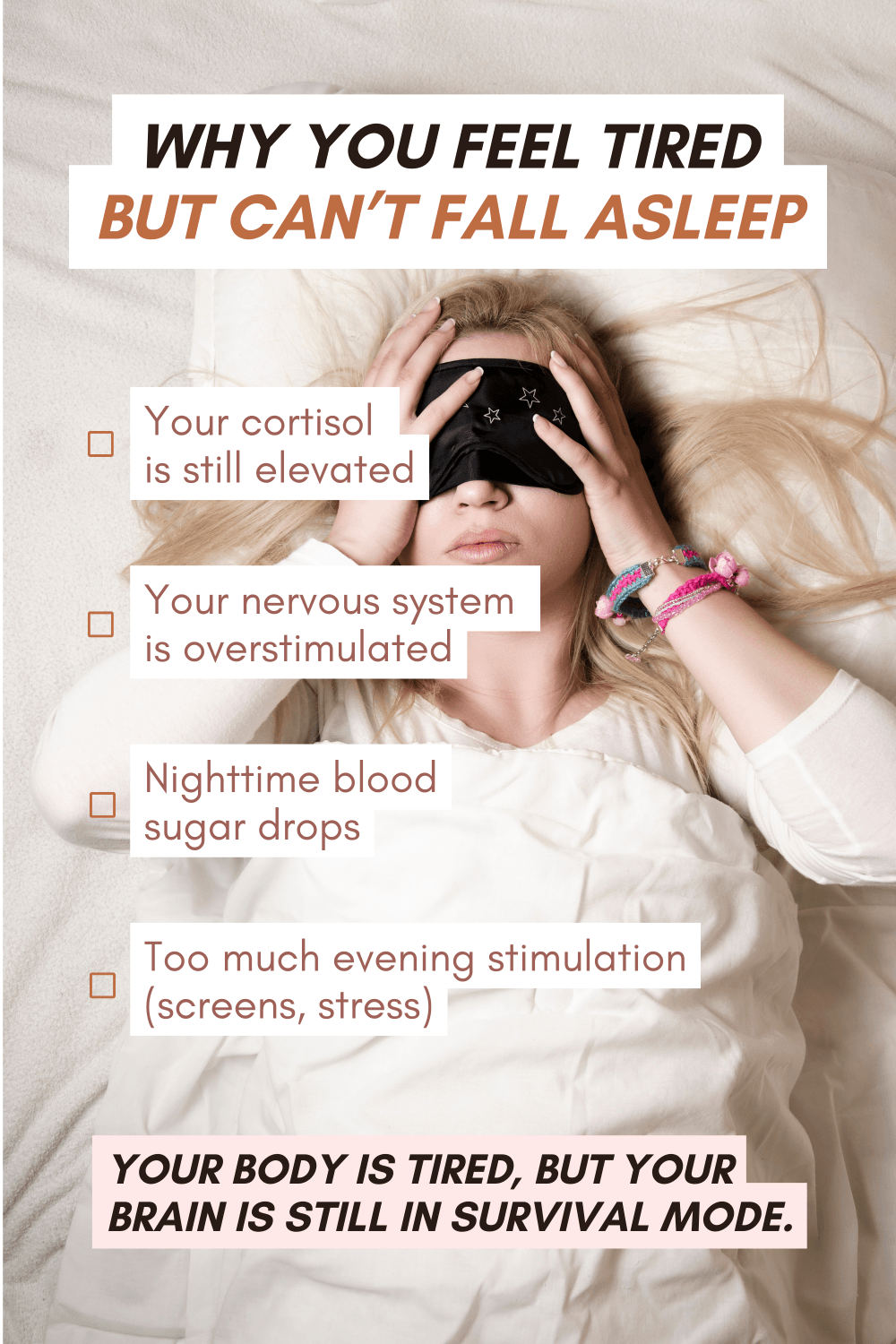
Your cortisol rhythm, nervous system, and daily stress signals are still “on” - even at night.
That’s why your body feels tired… but your brain stays wired.
And until that imbalance is supported, sleep won’t come easily.
✨ If you want to naturally support your energy, stress response, and sleep rhythm:
Why your body feels tired… but your brain won’t switch off
Most people think it’s just “bad sleep.”
But in reality, it’s often this:
👉 your nervous system is still in alert mode
Even if your body is tired, your brain stays active.
This can be caused by:
constant stress → your brain never slows down
too much screen time before bed
irregular sleep routines
overstimulation during the day
When this happens, your body simply can’t shift into rest mode.
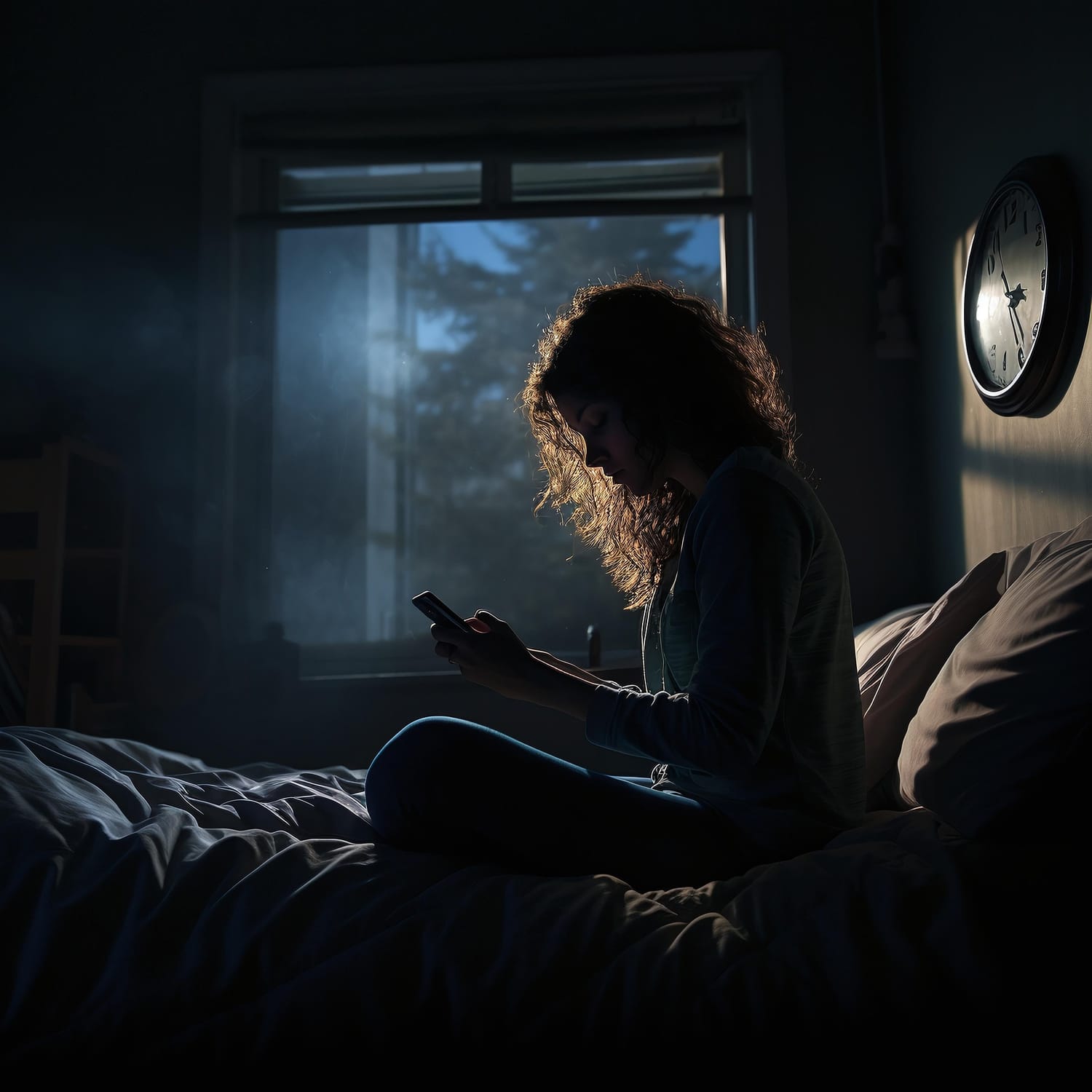
Signs your body can’t fully relax at night
You might notice:
your mind starts racing the moment you lie down
you feel tired... but weirdly alert
you keep thinking, planning, replaying everything
you wake up at night and can’t switch off
This is often linked to heightened alertness and stress, which can delay sleep and keep your brain active at night .
🌙 What’s keeping your brain awake
Here are the most common hidden triggers:
1. Overstimulation before bed
Screens, notifications, and constant input keep your brain active.
Blue light alone can suppress melatonin and reduce sleepiness .
2. No real wind-down routine
If you go straight from “busy mode” to bed, your body doesn’t have time to slow down.
Your brain needs signals that it’s safe to rest.
3. Stress and mental overload
A racing mind is one of the biggest reasons people can’t fall asleep.
Stress keeps your nervous system in a fight-or-flight state, making it harder to relax .
4. Poor sleep timing
Irregular sleep schedules can throw off your internal clock.
This makes your body feel tired… but not ready for sleep.
At this point, it’s not about trying harder to sleep.
👉 it’s about helping your body feel safe enough to relax
Because when your nervous system is constantly overstimulated:
cortisol stays high
your brain keeps racing
your body can’t fully switch off
This is where the right support makes a real difference.
So what actually helps your body switch off?
It’s not forcing sleep.
It’s supporting the systems behind it:
your nervous system
your stress response
your natural day-night rhythm
That’s exactly why some people feel a real difference when they start supporting their body during the day and night.
✨ If you want to calm your system and reset your sleep cycle naturally:
👉 take a look here
✨ How to fall asleep faster (naturally)
You don’t need anything extreme.
Small changes can make a huge difference:
dim the lights 1 hour before bed
stop screen use before sleeping
create a simple wind-down ritual
keep a consistent sleep schedule
do something calming (reading, stretching, breathing)
Even short relaxation routines can help your body shift out of alert mode and into rest .
💬 My experience
For a long time, I thought I just had “bad sleep.”
But no matter what I tried…
I still felt exhausted.
That’s when I realized: it wasn’t just sleep.
my body never actually relaxed.
👉 What helped me the most
If you feel stuck in this cycle - tired but wired - you might need a bit of extra support.
👉 This is what I personally use to help my body relax and feel more balanced.
💤 Final thoughts
If you’re exhausted but can’t fall asleep, it’s usually not a lack of sleep…
👉 it’s a lack of recovery.
When your body finally feels safe enough to relax,
sleep becomes natural again.
✨ Small daily habits can completely change your nights.
SAVE THIS PIN FOR LATER
Written by: Petra
This content is for educational purposes only and is not intended as medical advice.